
Spring Has Sprung
Spring brings sunshine, fresh air, and more time outside, but it also brings pollen, grass, mold spores, and an increase in fleas. Just like people, pets can develop seasonal allergies that cause uncomfortable symptoms.
Common signs of spring allergies include excessive scratching, licking paws, red or irritated skin, hair thinning, watery eyes, and frequent ear infections. Dogs often show symptoms through paw chewing and belly itching, while cats may over-groom, leading to bald patches or dry, flaky skin.
The good news? A few simple habits can help reduce flare-ups.
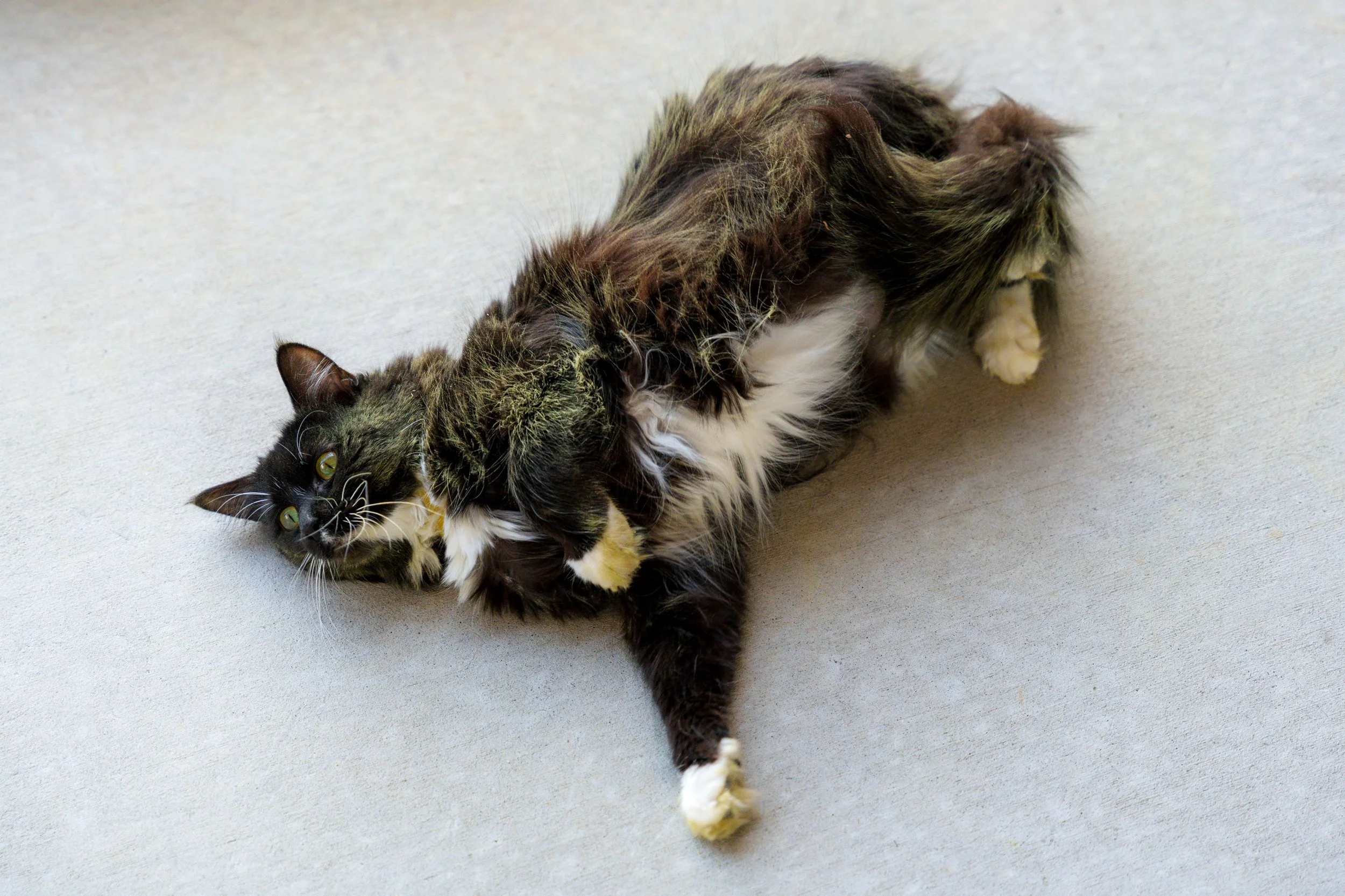
Wipe Paws After Outdoor Time
After walks or backyard play, gently wipe your pet’s paws and lower legs with a damp cloth or pet-safe wipe. This removes pollen before it spreads to bedding, furniture, and their skin - it’s a small step that can make a big difference.
Brush Regularly
Frequent brushing helps remove pollen, dander, and loose fur before it settles on the skin or is ingested during grooming. This is beneficial for both dogs and cats, especially during seasonal shedding. Aim for several short brushing sessions each week using a brush suited to your pet’s coat type.
Try Soothing Oatmeal Baths
Oatmeal has natural anti-inflammatory properties and can help calm irritated, itchy skin on dogs. Use bland oatmeal and allow it to soak in the water during flare-ups, rinse thoroughly, and avoid over-bathing, which can dry the skin further. Pat dry instead of rubbing to prevent additional irritation.
Keep on Consistent Flea Prevention
Year-round flea prevention is essential for both dogs and cats, even if they spend most or all of their time indoors. Fleas can be carried inside on clothing, other pets, or visitors, and even a single bite can trigger significant itching and skin irritation — especially in pets with flea allergies.
Long-haired cats, in particular, may be more prone to flea infestations and related skin issues because their dense coats make fleas harder to detect early. Consistent monthly prevention helps protect your pet from discomfort, prevents infestations, and reduces the risk of secondary skin infections. Preventing fleas helps break the cycle of itchy, dry skin and secondary skin infections.
Support Skin Health with Salmon Oil
Adding salmon oil to your pet’s diet can help improve skin hydration and coat condition. Rich in omega-3 fatty acids, salmon oil supports the skin’s natural barrier, reduces inflammation, and may help relieve dryness and itching associated with seasonal allergies. Always introduce supplements gradually and consult your veterinarian for proper dosing.
Limit Peak Exposure
Pollen counts are often highest in the early morning and on windy days. Limiting prolonged outdoor time during these periods can help sensitive pets.
If you notice persistent scratching, ear infections, open sores, or discomfort that doesn’t improve, it’s time to check in. Early treatment, which may include allergy medications or injections, can prevent minor irritation from becoming a bigger issue.
Spring should feel good for everyone. With a little prevention and attentive care, you can help your pet enjoy the season comfortably and confidently.
If you feel your pet may be struggling beyond home remedies, please feel free to give us a call or schedule a consult so we can help your pet fight allergies head on.